Vehicle audio solutions since 2001
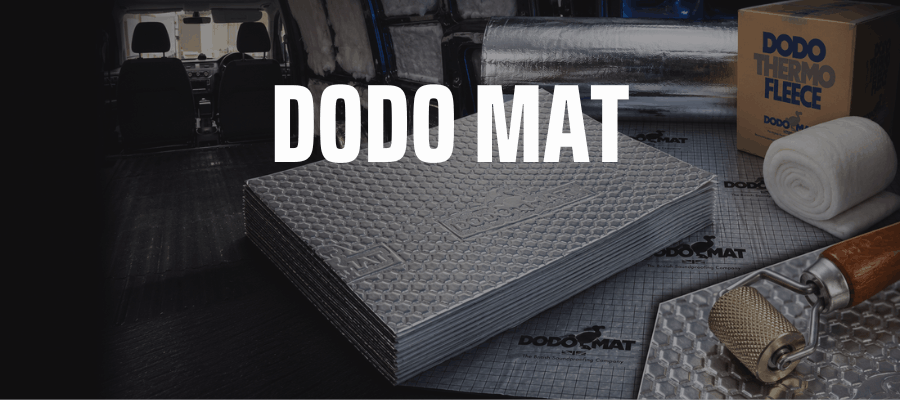
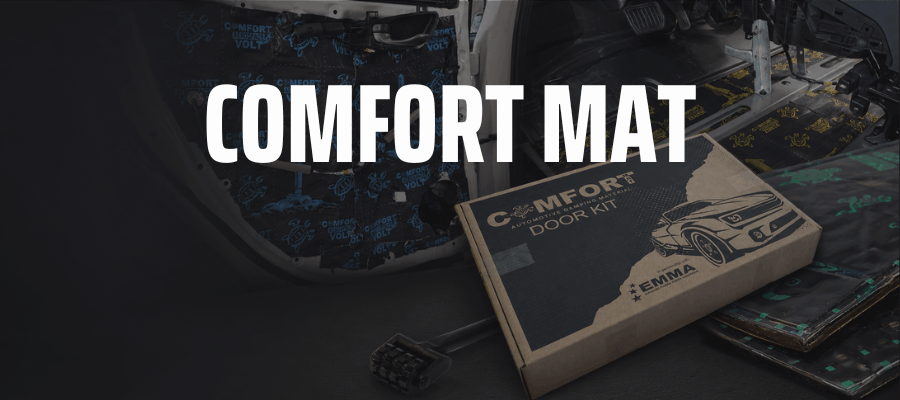
Reduce road noise, vibration and rattles with sound deadening mats and acoustic insulation for cars, vans and campervans. Explore Dodo Mat, Comfort Mat and Skinz products for doors, floors, boots, roofs and wheel arches.
Automotive sound deadening helps control vibration in metal body panels and reduces the amount of road, tyre, engine and panel noise entering the cabin. It can also create a more stable mounting environment for speakers, helping improve clarity, bass response and overall sound quality.
Treat floors, boots and wheel arches to help reduce noise from tyres, road surfaces and the vehicle underneath.
Butyl sound-deadening mats add controlled mass to metal panels, helping reduce resonance, vibration and rattling.
Sound deadening around speakers can reduce door-panel vibration and help produce cleaner sound and tighter bass.
Suitable for audio upgrades, restorations, commercial vehicles and campervan conversion projects.
| Product type | Main purpose | Typical locations |
|---|---|---|
| Butyl sound-deadening mat | Controls metal-panel vibration, resonance and rattles. | Doors, floors, boots, roofs, wheel arches and side panels. |
| Closed-cell acoustic foam | Helps isolate trim and reduce noise transmission between surfaces. | Behind door cards, under trim panels, floors and load areas. |
| Sound and thermal insulation | Helps improve cabin comfort by reducing noise and heat transfer. | Van walls, roofs, floors, camper interiors and large body panels. |
| Sound-deadening roller | Presses the material firmly onto the panel for secure, even adhesion. | Recommended when fitting self-adhesive mats and liners. |
The best area to treat depends on the noise you want to reduce. Sound-deadening mat should normally be applied directly to clean, dry metal before suitable acoustic foam or insulation is installed.
Yes. Correctly installed automotive sound deadening reduces vibration and resonance in metal panels. Depending on the materials and areas treated, it can help reduce rattles, road noise and unwanted panel noise while improving cabin comfort.
A self-adhesive butyl sound-deadening mat is normally the first layer used to control vibration in metal panels. Acoustic foam, liners and insulation can then be added where additional noise isolation or thermal performance is required.
Common areas include the doors, floor, boot, rear quarters, roof and wheel arches. Treat doors for improved speaker performance, or concentrate on the floor, boot and wheel arches when reducing road and tyre noise is the priority.
It can make a noticeable difference. Treating the doors around upgraded speakers helps reduce panel vibration and unwanted resonance, allowing more of the speaker’s output to be heard clearly. It can also help bass sound tighter and reduce rattles at higher volumes.
Treating the floor, wheel arches, boot and rear-quarter panels can help reduce road and tyre noise. The most effective solution will usually combine vibration-damping mat with an appropriate acoustic liner rather than relying on one material for every type of noise.
The quantity depends on the vehicle and the areas being treated. Two front doors require much less material than a complete floor, boot and wheel-arch installation. Check the coverage stated on each product and measure the panels before ordering.
Not always. Partial coverage can control resonance effectively when the material is placed on the largest, flattest and most vibration-prone sections. More comprehensive coverage may be appropriate where maximum refinement, insulation or noise reduction is required.
Many self-adhesive sound-deadening mats are suitable for careful DIY installation. Interior trim must be removed safely, and the metal should be clean, dry and free from grease. Cut the material to shape and press it firmly with an application roller.
Sound-deadening mat controls vibration and resonance in the vehicle’s metal panels. Acoustic insulation and foam help absorb or isolate noise travelling through the vehicle. They perform different jobs and are often used together as part of a layered treatment.
Large van panels usually benefit from butyl vibration-damping mat applied directly to the metal, followed by suitable acoustic or thermal insulation. Always check that the chosen materials are appropriate for the roof, walls, floor and intended conversion.
Tell us what vehicle you have, which areas you want to treat and whether your priority is road-noise reduction, a car-audio upgrade or van insulation. We can help you choose the right products and coverage.
Contact InCarTec© Copyright 2026 InCarTec. All Rights Reserved